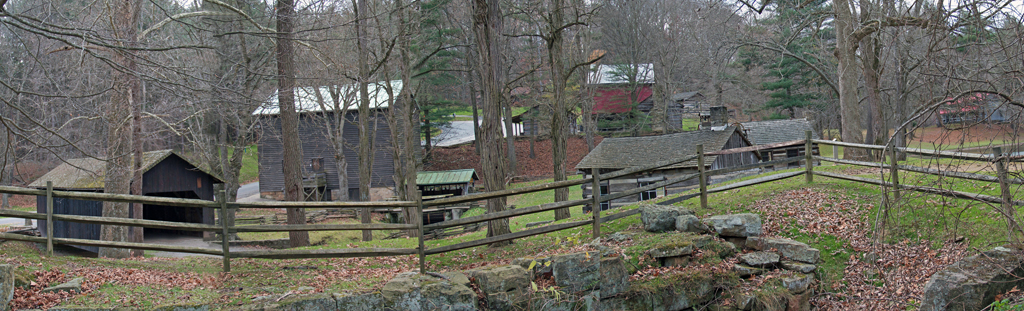

We are excited to announce the return of some of your favorite events at the park. Here are a list of upcoming events. For the full season of events, click the yellow button and use the arrows to navigate to the month!
Friends of Beaver Creek State Park Raffles
Check out the raffles for this year!!

Become a Member of the Friends of Beaver Creek!
Friends of Beaver Creek State Park, an all-volunteer 501c3 organization, is open to memberships to both individuals whom enjoy both the history and share a passion for preserving the Pioneer Village located within Beaver Creek State Park as well as organizations that would like to support us in maintaining the village.
Learn More about the Friends of Beaver Creek State Park

”Our mission is to educate the public and develop a base of appreciation for local history while providing opportunity for recreation and family enjoyment.”
Although our name has changed to Friends of Beaver Creek State Park, along with faces over these many years, the organization’s core ambition has remained unchanged and is echoed in our mission statement:
“The association is devoted to the development, growth and preservation of the Pioneer Village. Our mission is to educate the public and develop a base of appreciation for local history while providing opportunity for recreation and family enjoyment.”
The Friends of Beaver Creek State Park are carrying on a long tradition of preserving the Pioneer Village that started back in 1960s with the formation of The Columbiana County Forrest and Parks Council, a group of dedicated community volunteers that formed the roots of our present day organization.
The Columbiana County Forests and Parks Council formed as a citizen’s non-profit 501(c)(4) corporation consisting of about 100 members. It worked with the Columbiana County Historical Association and Sandy & Beaver Canal Association to restore Gaston’s Mill, Sandy & Beaver canal lock no. 36 and construction of the Pioneer Village.
Over the years the group has under gone a continuing and complete transition from old to new volunteers. In 2008, the group agreed to change the name to better reflect the current mission. The Friends of Beaver Creek State Park is a diverse group of citizen volunteers dedicated to preserving Pioneer Village and demonstrating pioneer life.
In August, 2009, The Friends of Beaver Creek State Park was granted 501(c)(3) status by the IRS. Our only source of funding to operate and maintain Pioneer Village is through public donations and the various fund raising events conducted by our organization.


Sell Avon Online, Join Avon Free 2021, Join Avon, Sell Avon, Become an Avon Representative, Avon Catalog, Avon Brochure, Avon Starter Kit, Avon Bug Guard, , Avon Skin So Soft, Avon Commission, Find an Avon Representative, Shop Avon online